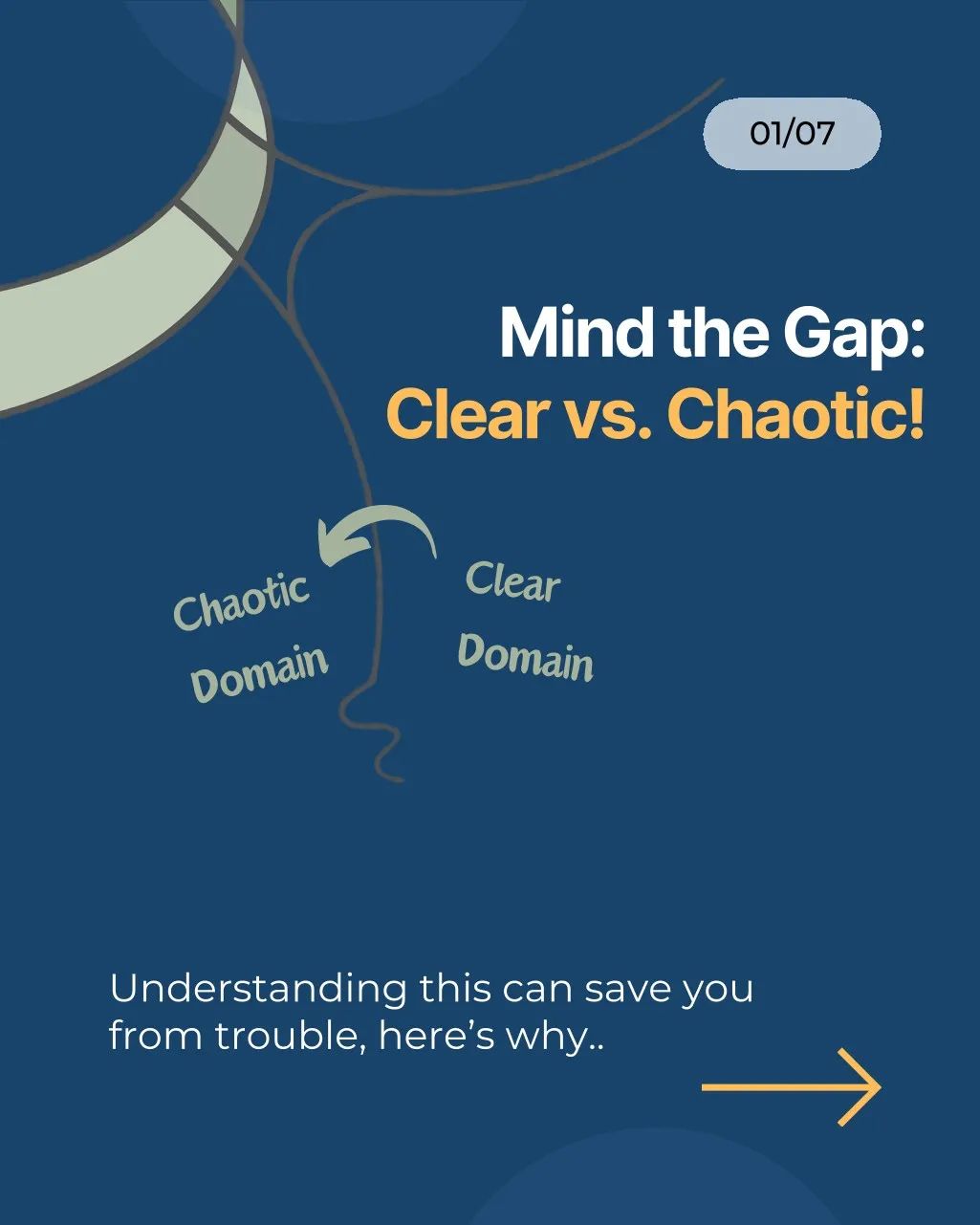
Understanding this can save you from trouble, here’s why:
In the Cynefin® framework, there’s a cliff separating the Clear and Chaotic domains.
Clear Domain: Simple Problems
→ Problems here have obvious cause and effect.
→ Easy to categorize and solve using best practices.
Approach with Sense - Categorize - Respond
→ Example: Traffic lights. We see the light (sense), determine the color (categorize), and act accordingly (respond).
→ During COVID-19, rules like mandatory masks in buildings were clear: no mask, no entry.
Risks of Stagnation
→ Best practices and rules must be reviewed periodically.
→ Outdated or overly rigid rules can push problems into the chaotic domain.
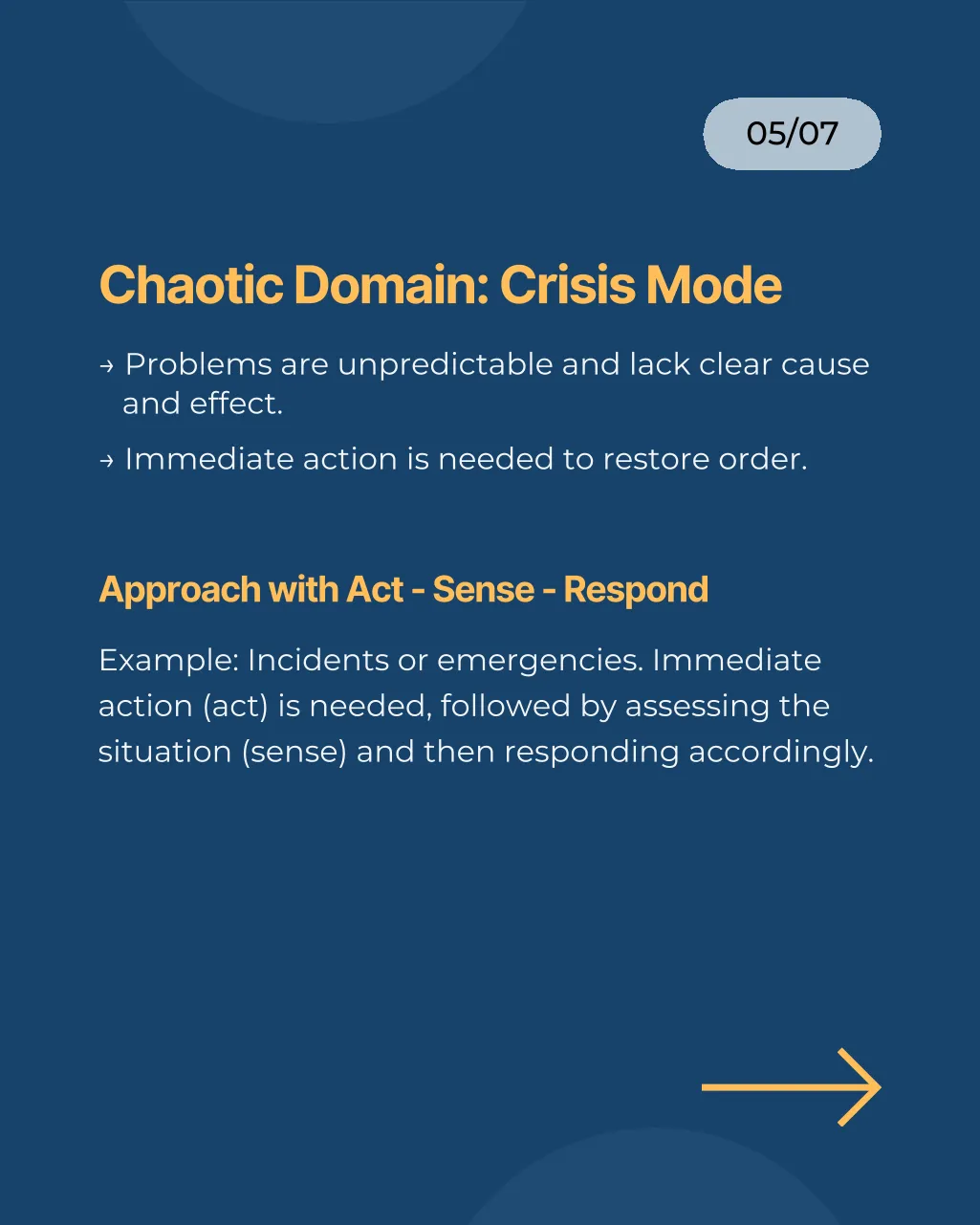
Chaotic Domain: Crisis Mode
→ Problems are unpredictable and lack clear cause and effect.
→ Immediate action is needed to restore order.
Approach with Act - Sense - Respond
→ Example: Incidents or emergencies. Immediate action (act) is needed, followed by assessing the situation (sense) and then responding accordingly.
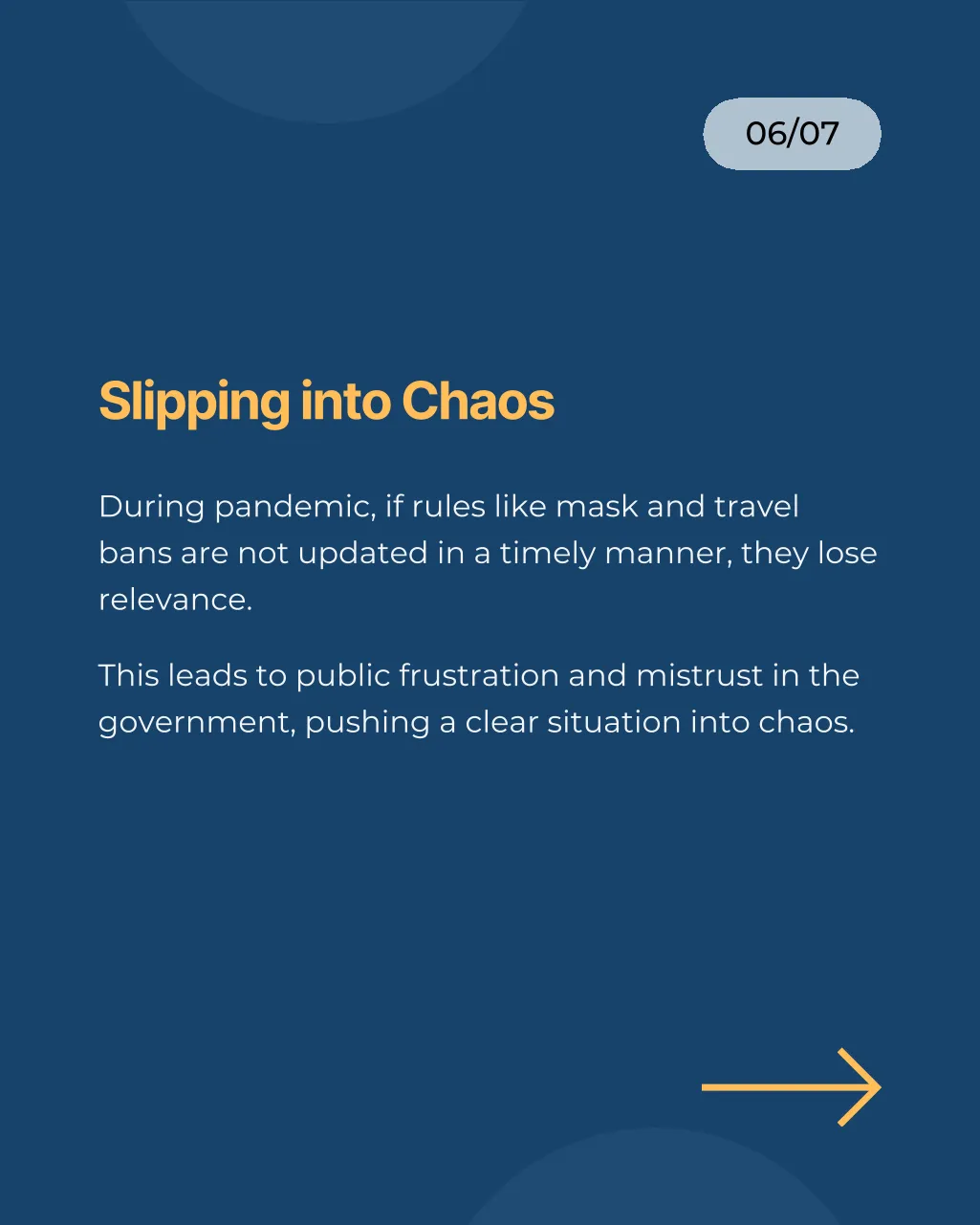
Slipping into Chaos
→ During pandemic, if rules like mask and travel bans are not updated in a timely manner, they lose relevance.
→ This leads to public frustration and mistrust in the government, pushing a clear situation into chaos.
Moving from clear to chaotic happens quickly and dangerously. Once in chaos, it takes much more effort to restore order. Stay proactive and adaptable!
P.S. Got any tips on avoiding chaos? Share your insights!